
Network examples
Webinar: Saline agriculture: addressing the challenge of soil and water salinity in a drier and salty future
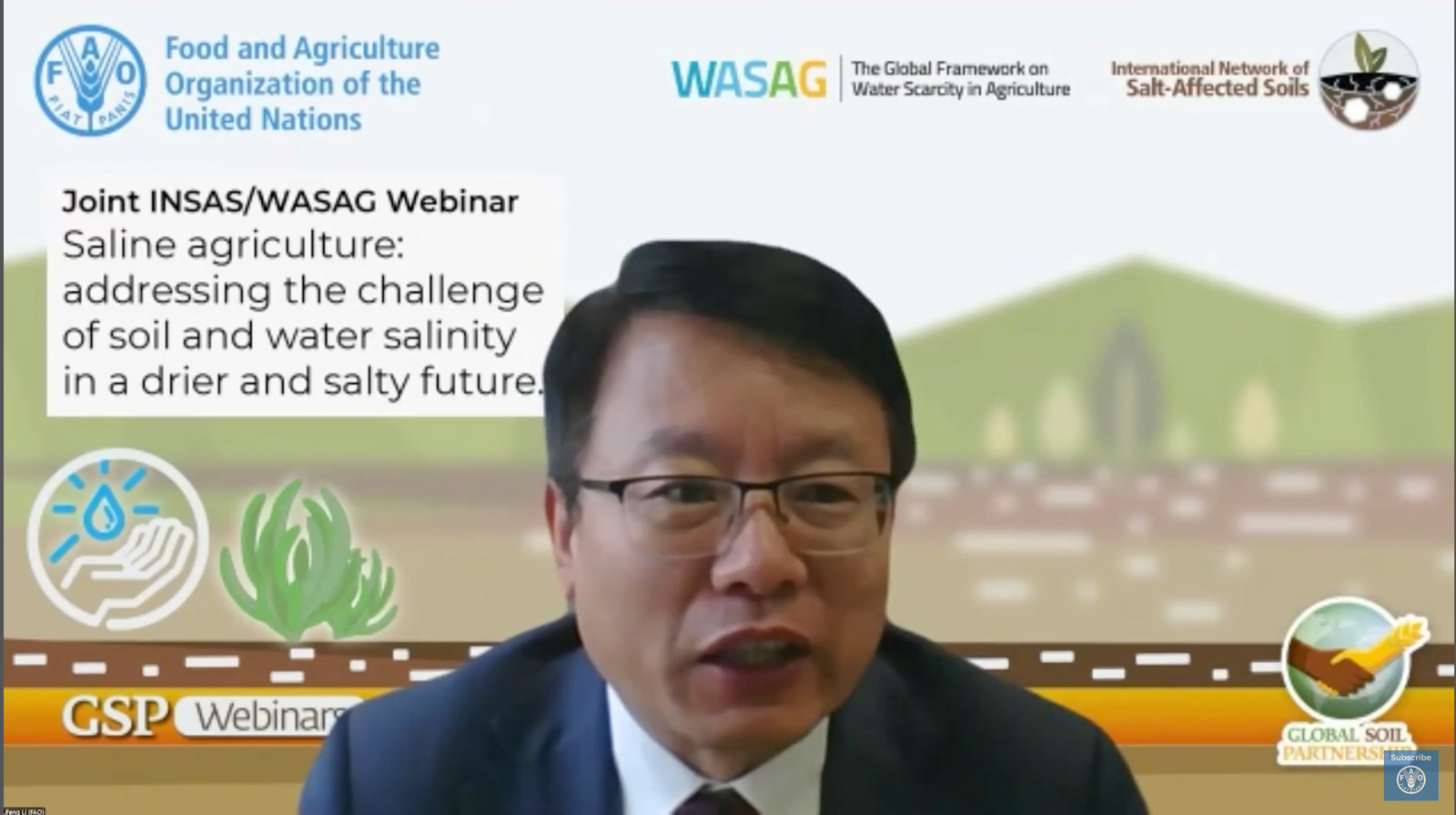
On 16 December 2025, a joint INSAS/WASAG webinar was organized on the topic of saline agriculture. Some of the discussions concerned the outcomes of the draft policy brief led by the Vrije University Amsterdam, titled “Addressing the challenge of soil and water salinity through collaborative action.” The policy brief consolidates insights from discussions held at different Conferences of the Parties of the UNFCCC, CBD, and UNCCD between 2021 and 2024. During the webinar, the Global Campaign on Salinization was discussed in a science-policy dialogue setting. The Campaign relates and supports the ambition of the network to declare 2028 as the Year on Saline Agriculture.
Link to Youtube
Additional background: Soil and water salinization is a growing global threat that undermines food security, biodiversity, and livelihoods. It is closely linked to climate change, land degradation, and desertification. To address these challenges, FAO’s International Network of Salt-Affected Soils (INSAS), the Global Framework on Water Scarcity in Agriculture (WASAG) and several partners have joined forces to foster collaboration and raise awareness on the importance of sustainable management of saline soils and waters.
COP28: Climate resilient agriculture for sustainable production systems and healthy ecosystems in salt-affected areas
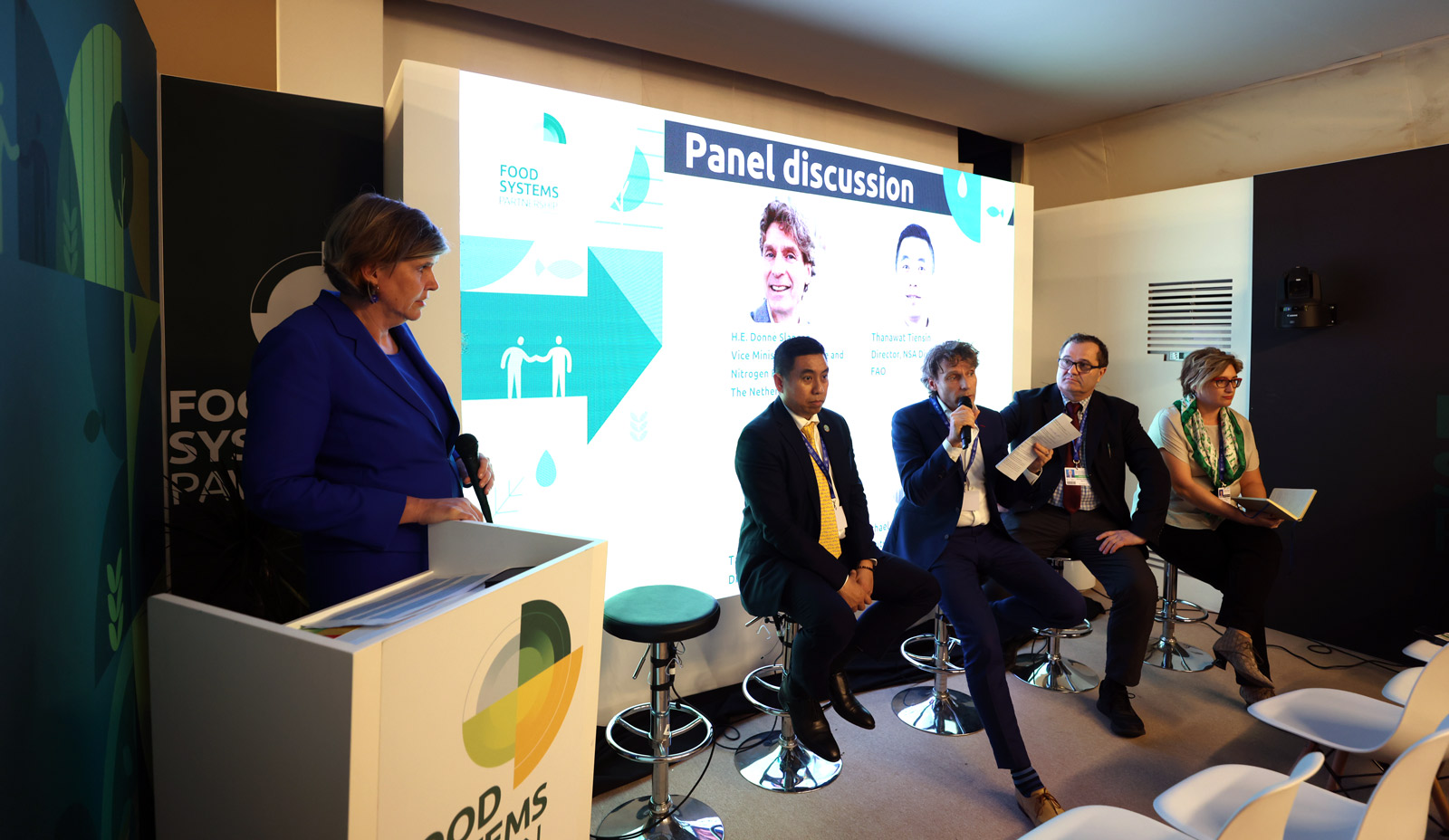
COP28 served as the first platform to reach out to networks of policy makers, researchers and practitioners engaged with the global processes of the Framework Convention on Climate Change, and pitch the ambitions of the campaign. In a session moderated by the Water Envoy of the Kingdom of the Netherlands, ms Meike van Ginneken, several speakers discussed the challenge of salinization and how campaigns such as the Global Campaign on Salinization or the declaration of 2028 as the Year on Saline Agriculture are essential to mobilize support for action. The session took place at the Food Systems Pavillion.
In-present contributions were provided by the Government of the Netherlands, FAO, ICBA, ICARDA, and online statements by Wageningen UR and Vrije Universiteit Amsterdam.
