
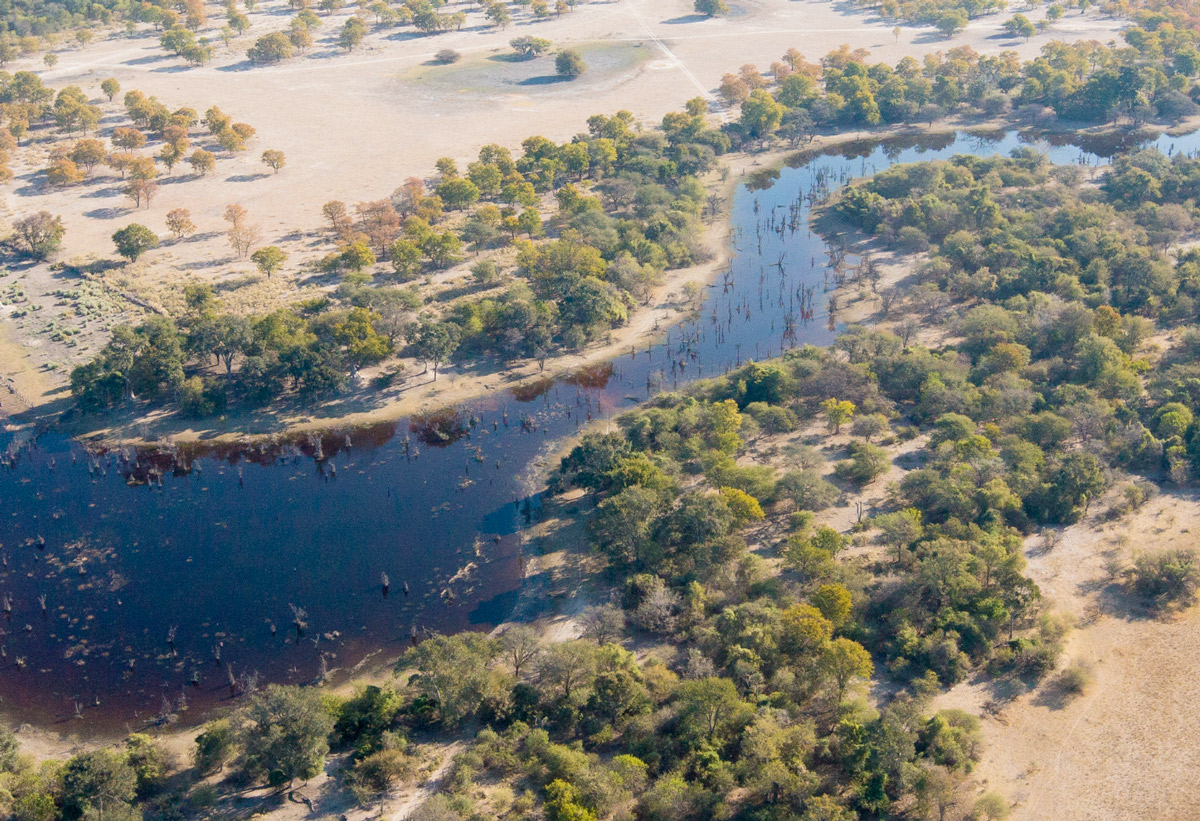
Salinization is rapidly becoming one of the biggest challenges for food production worldwide. Salinization in soils and/or water can occur naturally, for example in (semi)arid areas with limited precipitation. Also it can occur along coastal regions (e.g. delta areas) where salinity intrudes in-land by through tidal dynamics among others. It is expected that more soils will be effected as climate change effects precipitation levels and sea level rise. This makes salinity an increased threat for food security and biodiversity and therefore threatening livelihoods of millions of people around the world (SDG2, SDG6).
That is why it is important to raise awareness about this issue, and further develop measures appropriate to geographic conditions and local contexts.
The UN 2023 Water Conference provided a suitable platform and momentum to raise awareness about salinization. Collaborating partners expressed their ambition and submitted a commitment to collectively developed and implemented a Global Campaign on Salinization to the Water Action Agenda. This also has been expressed in the call to action.
The ultimate objective of this Campaign is to increase awareness about the issue of salinization among policy makers, researchers, scaling partners, practitioners, financial institutions and communication and network partners in the global water and food sectors, and subsequently formulate and drive a joint agenda of actions.

Several underlying principles have been formulated to give the campaign a foundation. These are the following:
- The Campaign is first and foremost a communication activity that serves a greater purpose: a call to action for policy makers, research and implementing agencies to develop responses in the face of salinization challenges.
- Through communication the campaign will boost new ideas, bundle initiatives, and create a stronger momentum for the benefit of collaborating partner for the benefit of collaborating partners.
- The Campaign will not prescribe one specific response strategy to the salinization challenges. Response strategies may vary between mitigation and adaptation options, depending on local conditions and realities.
- The Campaign will stress, however, the need for integrated approaches in response to salinity challenges, including cooperation between the working areas of soil, water and crops.
- The Campaign aims to be of added value to all partners, complementarity to on-going work and mandates, and is not intended to ‘claim’ already on-going initiatives.